
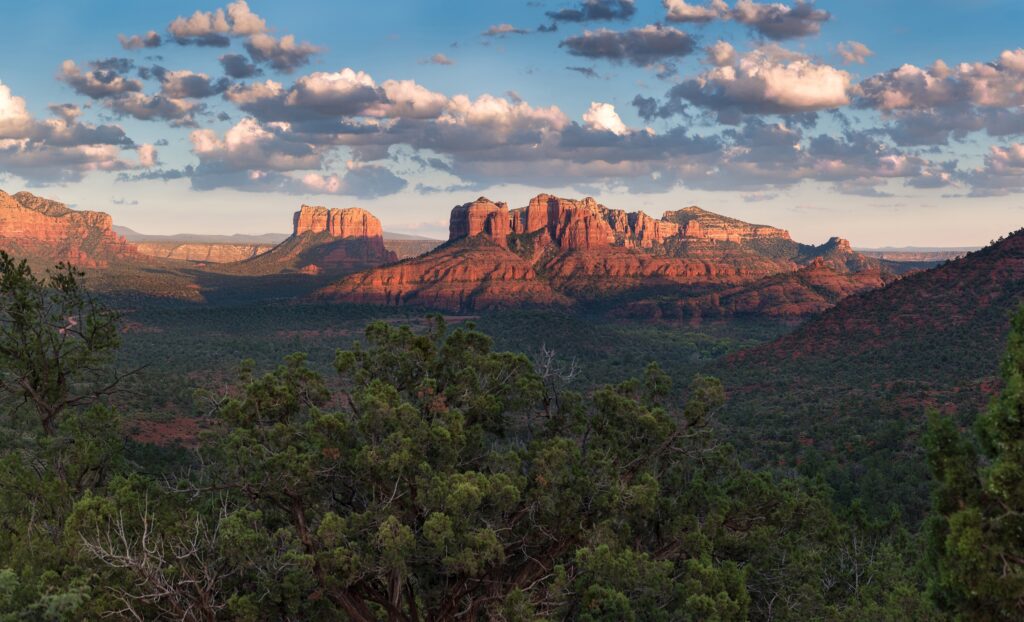
Sedona is known for red rock landscapes, open desert air, and outdoor movement. Sedona with Dogs describes how this environment works for visitors traveling with pets. The city allows dogs in many public spaces, including trails, streets, and natural areas, when basic rules are followed. Climate, terrain, and local regulations shape how dogs and owners move together through this region.
Why Sedona Is Considered Dog Friendly
Sedona developed as an outdoor–focused city. Hiking, walking, and nature access are part of daily life. Because of this, dogs are often seen on trails and in open areas. Many paths allow dogs on leashes, and local people accept pets in outdoor activities.
City plans also help walking. Sidewalks, trail start points, and short ways between places make walking with dogs easier. Dogs are not limited to one zone. Instead, they appear across the city, from residential areas to trail access points.
Sedona with dogs does not mean unlimited access. Rules exist to protect wildlife, visitors, and the environment. Understanding these rules is important before entering trails or public spaces.
Dog–Friendly Trails and Outdoor Areas
Sedona includes a wide network of trails with different difficulty levels. Many of these trails allow dogs on leashes. Terrain varies from flat desert paths to rocky climbs. Dogs must be ready with their bodies for uneven ground and up–and–down hills.
Popular walking places usually have clear signs. Leash rules are strictly applied, especially in high–traffic zones. Wildlife presence increases the need for control. Coyotes, snakes, and small mammals are part of the local ecosystem.
Dog–friendly trail features often include:
- wide paths with visibility
- moderate elevation gain
- shaded sections near rock formations
- access points close to parking areas
Water access on trails is limited. Owners must carry enough water for both themselves and their dogs.
Climate and Seasonal Conditions
Sedona climate affect dog safety direct. Summer has very hot days and strong sun. Trail ground gets hot fast and can hurt paws. Walking early morning or late evening is less dangerous.
Winter is softer but still changing. Cold night and some snow come in high places. Dogs with short hair may need cover in cold months. Weather changes fast, mostly in season changes.
Spring and autumn are easier seasons. The temperature is not so hot or cold, and the trail stays safer. Many people like to visit Sedona with dogs at this time.
City Rules and Leash Requirements
In public places, Sedona makes sure that people keep their dogs on leashes. You must always keep your dog under control. Leashes keep wild animals away and keep other visitors safe. Dogs that are not on a leash can damage delicate desert soil and plants.
There are also strict rules for how to deal with trash. Dog owners must pick up after their pets in public places and on trails. This protects water and the environment.
Basic city expectations include:
- Dogs remain leashed in public areas.
- Waste is collected and removed.
- Dogs are not left unattended on trails.
Failure to follow these rules may result in fines or restricted access.
Health and Safety for Dogs
Desert areas can cause dogs to have unique health problems. The most common risk is getting tired from the heat. Heavy breathing, slow walking, and confusion are all signs. When this happens, dogs need to rest and drink water right away.
Paws can get hurt by sharp rocks and dry plants. When you walk, checking your paws often can help you avoid injuries. Some dogs wear paw protection, but not all the time.
It’s very important to plan for water. When the air is dry, dogs lose water quickly. Bringing extra water helps keep you from getting dehydrated on long walks.
Accommodation and Public Spaces
A lot of places to stay in Sedona let dogs stay with you. Pet rules are different in each place, but most places still let pets go outside. Most public parks let dogs on leashes, but they can’t go into buildings as easily.
Many restaurants and shops have outside seats where dogs are allowed. Local health rules say if dogs can go inside or not. Owners need to look at signs before going into closed spaces.
Movement through the city remains comfortable when dogs are calm and trained for public environments.
Environmental Responsibility
Sedona’s environment is fragile. Red rock landscapes and desert soil recover slowly from damage. Dog movement must respect trail boundaries. Leaving marked paths harms vegetation and increases erosion.
Noise control also matters. Excessive barking disturbs wildlife and other visitors. Calm behavior helps share trails and public places. Good behavior makes sure dogs can still go in Sedona.