
Walking across the United States is a long physical journey where movement becomes a daily habit and the main way of travel. Walk Across America describes extended walking routes that cross different regions of the country by foot. This approach combines geography, physical activity, and routine into one continuous process. People walk not for speed but for distance, consistency, and long–term endurance across changing landscapes.
Meaning of Walk Across America
Walk Across America is not a single official trail or fixed route. It is a general description for walking journeys that cross large parts of the country from one side to another. Walkers usually combine public roads, greenways, rural paths, and regional trails. Route choice depends on safety, climate, terrain, and access to towns.
Some people walk from east to west, others from south to north. Duration varies widely. A full journey may last several months or even more than a year. Daily distance is often limited to protect joints and muscles. Walking becomes the main activity of the day, with time structured around rest, food, and recovery.
The idea of Walk Across America includes several core elements:
- daily walking as the main physical task
- long–term route planning with flexibility
- adaptation to weather and terrain changes
- physical effort spread evenly over time
This structure allows the body to adjust gradually and reduces overload risk.
Health Effects of Daily Long Walking
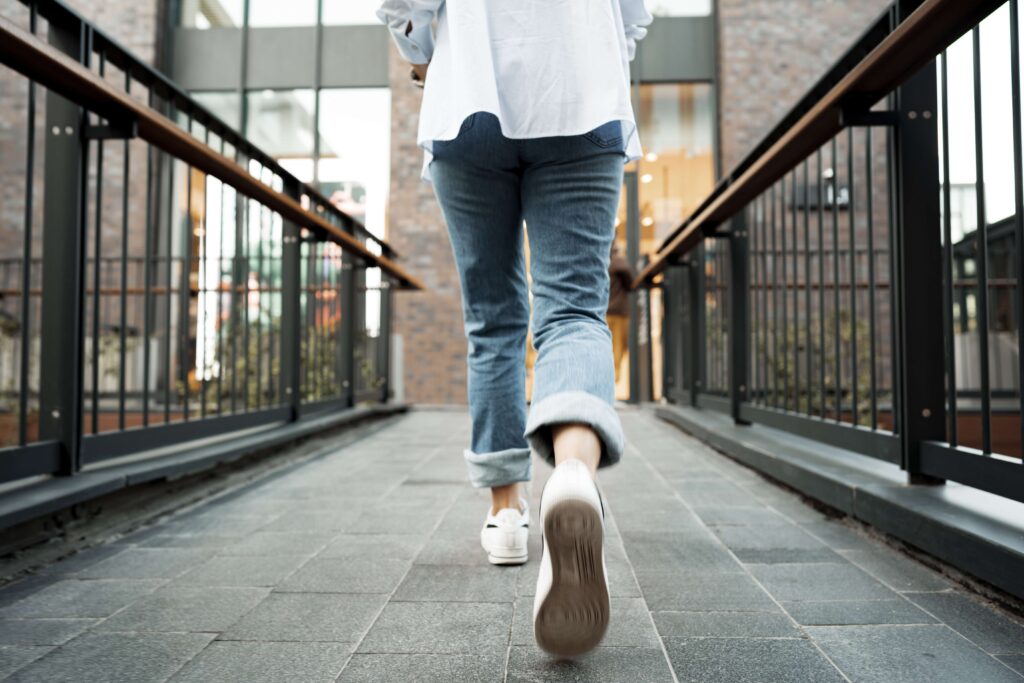
Regular walking is a low–impact activity that supports the cardiovascular system and general physical stability. When walking becomes a daily long–distance practice, these effects increase over time. The body learns to manage energy more efficiently. Muscles strengthen without extreme stress. Breathing becomes more controlled and stable during effort.
Long walking also changes metabolism. Energy use becomes more even all day. Appetite can change too. Weight often changes slowly, not fast up or down. Because walking uses big muscles again and again, blood flow gets better, and joints feel less stiff if walking speed is right.
Mental health is also influenced. Walking for many hours creates rhythm. This rhythm supports focus and reduces mental noise. Sleep quality often improves because the body experiences natural fatigue. Stress levels tend to decrease when walking is steady and not rushed.
Route Structure and Daily Routine
Routes used for Walk Across America vary by region. Eastern areas often include green corridors and connected paths between towns. Central regions include long rural stretches with fewer services. Western areas add elevation changes and temperature extremes. Because of this, routes are rarely fixed for the entire journey.
Daily routines stay simple and repeat. Walkers usually start early. They walk many hours, rest when the day is hot, then walk more later. Evening time is for rest, eating food and planning the next day. This plan repeats every day with small changes.
The route plan thinks about water, road safety, seasonal weather, and body condition. Flexibility is very important. Some walking days become short because of heat, rain, or a tired body. Long walking trips work well by adapting, not by a strict schedule.
Equipment in an Informational Context
Walking across a country needs basic equipment. It is chosen for function, not for comfort or luxury. Equipment must work for long–time use and help reduce physical strain on the body. Weight balance is very important. Every extra thing you carry puts more stress on your joints and muscles over the course of thousands of steps.
One of the most important things is shoes. Shoes need to be able to handle repeated movement and protect your feet from the ground. Clothing should adapt to temperature changes and allow moisture control. Navigation tools help keep correct direction, especially in rural areas. Shelter and sleep systems stay minimal to reduce total carrying weight.
Typical equipment groups include:
- walking footwear and layered clothing.
- navigation tools and communication basics.
- lightweight shelter and sleep setup.
This structure supports endurance walking without focusing on personal experience or branding.
Mental Endurance and Environmental Awareness
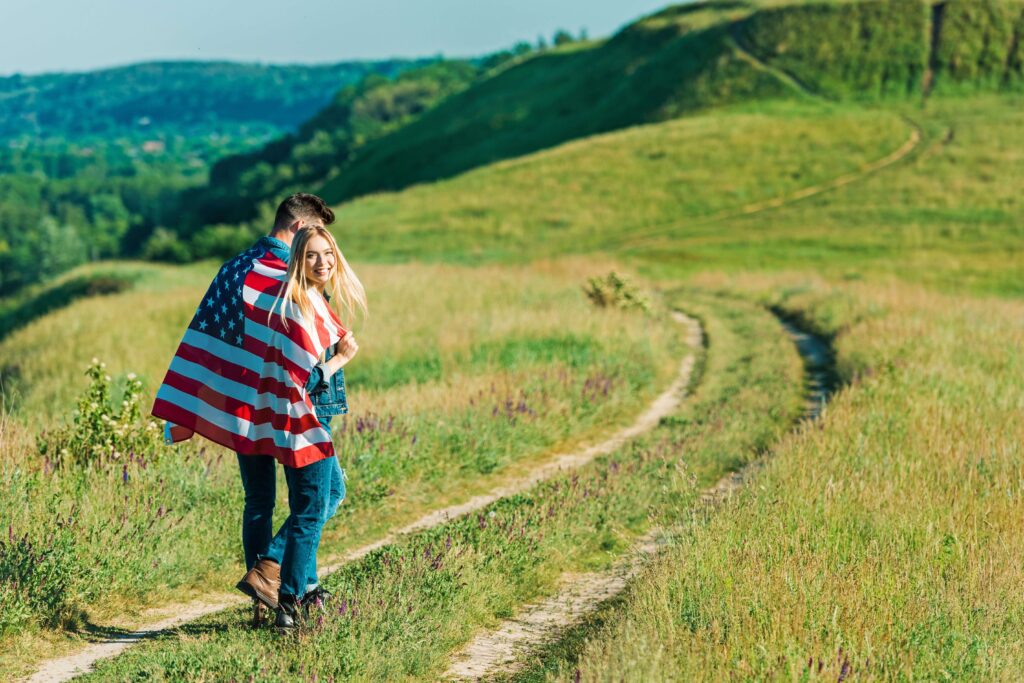
Long–distance walking changes how time and distance feel. Days are counted in steps and places for rest, not by hours. Walking speed is slow, so attention to the environment becomes higher. Small changes in land, weather, and light are easier to notice.
Mental tiredness can appear, mostly on long empty parts of road. But the same movement every day often lowers anxiety. The body follows one pattern, and this gives mental balance. Walking also gives space for thinking, without constant digital noise.
Social contact happens in a natural way. It appears when walkers pass towns or meet people on the way. Talks are short and informal. They are not planned, but they become part of the journey rhythm.
Safety and Physical Limits
Walking across large distances requires attention to physical signals. Overuse injuries may develop if distance increases too quickly. Pain, swelling, or persistent fatigue signals the need for rest. Recovery days are as important as walking days.
Weather exposure is another major factor. Heat increases dehydration risk. Cold makes joints less flexible. Rain changes the way the ground feels and the pace. The route and daily distance must change based on these factors.
Listening to the body is essential. Long walking is sustainable only when effort remains balanced. Endurance grows through patience rather than force.
Walking as a Long–Term Health Model
Walk Across America represents a movement–based health model focused on consistency. Walking requires no complex systems or specialized training. It adapts to different ages and fitness levels. The journey across a country becomes an extended example of how regular, low–impact movement supports physical and mental balance over time.
This model shows that health improvement does not require intensity. It requires repetition, structure, and respect for physical limits. Walking becomes both the method and the result of endurance development.